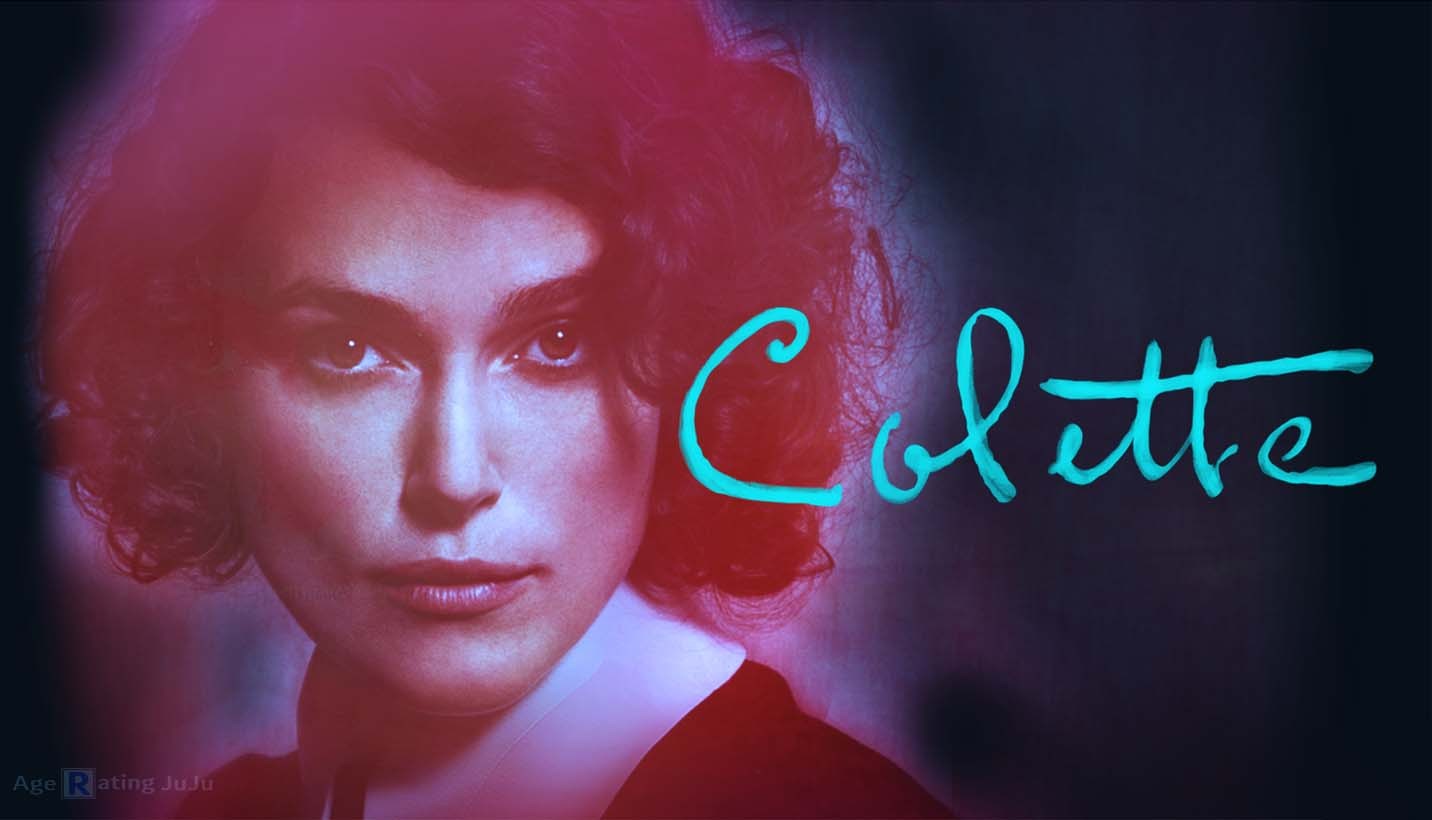
Keira Knightly has recently spoken about the possibility period films offer for story-telling about women’s lives. In Wash Westmoreland’s new film, Colette, Knightly is blessed with a fulsome opportunity to explore the life of a fascinating figure from literary history. Colette was a woman of La Belle Epoque Paris, a writer of immensely popular and risqué novels and stories (including Gigi, the 1958 film adaptation of which managed to shock me as a teenager).
Westmoreland’s film deals with the exploration of sexual desires, concentrating on the romantic, physical, artistic and financial relationship between Colette and her husband Henry Gauthier-Villars (played by an indomitable and mischievous Dominic West). Gauthier-Villars, known as ‘Willy’, is a feted Parisian figure, producing a litany of reviews, articles and stories albeit through a factory system of struggling writers whom he rewards with cash, if not credit. During a financial dry spell, Willy suggests his young wife write about her childhood memories of rural France. The novel becomes a huge financial hit, a veritable sensation – it’s hard not to watch the film and compare it to any number of contemporary pop culture smash hits (Harry Potter sprang instantly to mind). This success sparks the conflict that begins to drive Colette’s awakening and self-realisation.
The central performances are wonderful. West’s portly and crude bon vivant Willy is a hugely engaging portrait of a man who is sympathetic, despite his manifest character flaws. Knightley is as good as she has ever been, entirely inhabiting Colette, and creating a satisfying character arc. Colette makes the journey from naive and jejune country girl to a beautifully physical cockiness that Knightley embodies perfectly.
While Colette tells the story of an unconventional women who lived an exciting life, it remains disappointingly the reverse in its execution. Knightley gives a blistering speech almost to camera towards the close, as she finally severs her bond with her old life. Beyond such occasional moments of heightened tension, the emotional heft of the story is muted. Similarly, the film looks beautiful in the manner of ‘pretty French scenes’, which I’m not immune to, but which didn’t necessarily tell the story as well as it could.
Colette is a radical story traditionally told, but the performances of Knightley and West are utterly engaging.

 A Room With No View